Until you make the unconscious conscious,
it will direct your life and you will call it fate.
— Carl Gustav Jung
01. What causes blockages in life?
Blockages don’t appear out of nowhere. They are not bad luck, lack of talent, or a sign that “something is wrong with you.” From a mind–body–spirit perspective, blockages are signals—they show up when energy, intention, and action are no longer aligned.
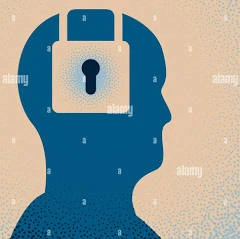
At their core, blockages are created by unresolved internal conflicts. When different parts of you want incompatible things, progress stalls. You may consciously desire growth, success, love, or abundance, while unconsciously holding beliefs, fears, or loyalties that pull in the opposite direction. The result is friction—and friction slows everything down.
Here are the most common root causes:
- Unconscious beliefs and old conditioning
- Many blockages are installed early in life, long before we have the awareness to question them.
- Beliefs like “I must choose between success and belonging,” “If I grow, someone will suffer,” or “It’s safer to stay small” quietly shape decisions for years.
- Even when the conscious mind has moved on, the unconscious may still be operating under outdated rules.
- Until those rules are updated, life keeps hitting the same invisible wall.
- Emotional suppression and unprocessed experiences
- Emotions that are not felt, expressed, or integrated do not disappear—they lodge in the system.
- Over time, they can manifest as mental confusion, physical tension, fatigue, creative blocks, or repeated life patterns.
- Grief that was never fully mourned, anger that had no safe outlet, or fear that was never acknowledged all take up energetic space.
- That space could otherwise be used for clarity, vitality, and forward movement.
- Internal loyalty conflicts
- One of the most underestimated causes of blockages is unconscious loyalty—to family, relationships, identities, or past versions of yourself.
- You may want freedom, abundance, or expansion, but another part of you is committed to protecting a bond, a role, or a sense of safety rooted in the past.
- When loyalty and growth collide, the psyche often chooses loyalty.
- Progress slows not because you can’t move forward, but because something inside you believes you shouldn’t.
- Mind–body misalignment
- The body is not separate from the mind.
- Chronic stress, nervous system dysregulation, lack of rest, or living in constant “survival mode” all contribute to blockages.
- When the body feels unsafe or overwhelmed, it resists change—even positive change.
- This is why insight alone is often not enough. True clearing happens when the body is brought back into regulation and cooperation.
02. How do I know if I have blockages?
Blockages rarely show up labeled as “blockages.” Instead, they reveal themselves through patterns—what repeats, what stalls, and what drains your energy despite effort. When one or more areas of life consistently underperform, no matter how much you try to fix them rationally, it’s often a sign that something deeper is interfering.
⚡ Life Blockages
Financial–Professional Blockages
You work hard, learn constantly, and still struggle to create stable growth or consistent income. Opportunities appear but don’t last. Success feels temporary or fragile. This blockage is rarely about skills or intelligence. It’s often internal limits around worth, safety, responsibility, or expansion. Money becomes emotionally charged instead of structural—and that tension blocks flow.
Love–Relational Blockages
You may notice repeating relationship patterns: emotional unavailability, over-giving, fear of commitment, or attracting the same type of partner again and again. Relational blockages usually signal unresolved attachment dynamics or unspoken emotional rules—often learned early in life—that still govern how close, safe, or seen you allow yourself to be.
Emotional Blockages
Emotional blockages show up as numbness, emotional overload, or difficulty accessing or expressing feelings. You may feel disconnected from joy, stuck in sadness, or easily overwhelmed. They are usually emotions left unprocessed, not because you avoided them consciously, but because you didn’t have the internal or external safety to do so at the time.
Mental–Cognitive Blockages
Here, the issue is not lack of intelligence, but mental congestion. Overthinking, indecision, self-doubt, looping thoughts, or difficulty focusing are common signs.
Mental blockages arise when the mind is carrying conflicting internal commands—wanting change while also trying to preserve safety or identity. The result is paralysis, no clarity.
Spiritual–Existential Blockages
You may feel disconnected from meaning, purpose, or direction. Even great achievements feel empty in your life. Motivation fades, and life can feel mechanical rather than alive. This blockage often appears when your outer life no longer reflects your inner values or truth, also known as Self direction. The spirit withdraws when it’s not being listened to.
Health–Body Blockages
Chronic tension, recurring pain, fatigue, or unexplained physical symptoms are common indicators. These issues often persist even after medical causes are ruled out.
The body holds what the mind and emotions cannot process. Health blockages are signals of accumulated stress, suppressed emotion, prolonged misalignment, or even limitating beliefs.
Communication–Expression Blockages
You struggle to speak up, set boundaries, ask for what you want, or express your ideas clearly. You may feel misunderstood or invisible. This kind of blockage usually reflects fear of rejection, conflict, or being “too much”, leading you to silence parts of yourself that are meant to be expressed. Over time, this pattern quietly teaches you that it’s safer to stay silent than to be fully seen.
Trauma–Past Memory Blockages
Certain situations trigger intense reactions that feel disproportionate. You may intellectually understand the present, but your body reacts as if the past is happening again. These blockages are rooted in old memories or experiences that still live in the nervous system. Until they’re integrated, they continue to shape behavior from behind the scenes.
03. What are the first signs of a blockage?
Blockages don’t always announce themselves with a loud crash. More often, they whisper first, in subtle signals that many people overlook—until the resistance becomes impossible to ignore. Catching these early signs is crucial because, as with any system, early intervention makes clearing easier, faster, and less disruptive.
Research shows that stress and energy blockages are already present long before symptoms appear. According to the American Institute of Stress, “80% of workers feel stress on the job, and nearly half say they need help in learning how to manage stress”. While not every stress reaction is a blockage, chronic patterns of tension often reveal underlying interference in energy, focus, and life flow.
Key Insight
The first signs of a blockage are quiet, subtle, and physical as much as mental. They manifest in resistance, fatigue, emotional spikes, loss of inspiration, or avoidance. Recognizing them early allows you to intervene with precision—before the blockage hardens and becomes harder to release.
In the next section, we’ll dive into practical strategies to identify blockages in the mind, emotional, body, and spirit, so you can catch them early and regain flow in your life.
3.1 Subtle resistance to action
You may notice that starting a project, making a decision, or even taking small steps feels unusually heavy. It’s not procrastination in the typical sense—there’s an internal friction that slows you down. The mind seems willing, but momentum is missing. Blockages are often the “too low aim” we don’t consciously notice—they keep us from going farther than the comfort zone allows.
3.2 Unexplained fatigue or drain
When a blockage is forming, energy doesn’t flow efficiently. You may feel tired without reason, even after adequate sleep or rest. Your physical body starts sending signals: heaviness, tension, or sluggishness. A study in the Journal of Psychosomatic Research found that chronic stress and unresolved emotional tension are strongly correlated with physical fatigue (Brosschot et al., 2006). Early-stage blockages often manifest here first—through the body rather than the mind.
3.3 Heightened emotional reactivity
You might catch yourself snapping at small frustrations, feeling anxious over minor uncertainties, or experiencing mood swings. These emotional flashes are the psyche’s way of signaling misalignment. Blockages often live in these shadows—ignored, they grow; noticed, they can be cleared. Carl Jung described this subtle cue beautifully:
3.4 Loss of flow or inspiration
One of the earliest signs is creative or motivational slowdown. You may feel stuck even in areas where you usually excel, from problem-solving to decision-making. Life feels like it’s “in slow motion,” and opportunities appear but don’t fully land.
3.5 Patterns of avoidance
Finally, subtle blockages appear as avoidance behaviors. You may not consciously realize you’re avoiding growth, responsibility, or change, but there’s an undercurrent of hesitation, doubt, or self-sabotage. These early signs are not failures—they are valuable feedback. They give you a chance to act before friction escalates into full-blown stagnation, burnout, or repeated life patterns.
04. What are the first signs of a mental breakdown?
A mental breakdown doesn’t arrive like a sudden thunderclap—it usually creeps in quietly, sending subtle alarms before everything feels like it’s collapsing. Recognizing these early warning signs is critical, because early intervention can prevent a full-blown crisis and restore balance before exhaustion or emotional overload takes over.
According to the National Institute of Mental Health, “Approximately 1 in 5 adults experience mental illness each year, but many do not seek help until symptoms interfere with daily life” (NIMH). Mental breakdowns often start long before anyone—or even yourself—realizes something is wrong.
Key Takeaway
The first signs of a mental breakdown are subtle but measurable: chronic fatigue, anxiety, emotional volatility, cognitive fog, and social withdrawal. They act like early warning lights, urging you to pause, reset, and seek support before stress escalates into crisis.
Recognizing these patterns early allows you to implement strategies—self-care routines, mental load management, and targeted support—so you can restore equilibrium and prevent a complete collapse.
4.1 Overwhelming fatigue and sleep disruption
One of the earliest signs is persistent exhaustion that sleep alone doesn’t fix. You may feel drained mentally, physically, and emotionally, even after a full night’s rest. Sleep patterns can become erratic: difficulty falling asleep, staying asleep, or oversleeping.
4.2 Heightened anxiety and constant worry
Another red flag is persistent worry that feels uncontrollable, even about small things. Everyday decisions feel heavy, and your mind races with “what ifs” that prevent focus or clarity. The Anxiety & Depression Association of America reports: “Anxiety disorders affect 40 million adults in the United States, and persistent, chronic anxiety is one of the leading predictors of mental health crises”. When anxiety becomes constant rather than situational, it’s a signal that your nervous system is overloaded.
4.3 Emotional volatility and irritability
Early breakdowns often appear as sudden mood swings, irritability, or disproportionate emotional responses. You might cry unexpectedly, lash out over minor frustrations, or feel numb and disconnected. Emotional instability is your psyche’s alarm system, signaling that inner resources are stretched beyond their capacity.
4.4 Cognitive fog and difficulty concentrating
Your mind may feel foggy, scattered, or slower than usual. Tasks that were once routine require enormous effort. Forgetfulness, indecision, and racing thoughts are common first signs. A survey by the American Psychological Association found that stress is a major contributor to decreased cognitive performance, affecting memory, attention, and problem-solving long before a breakdown occurs (APA Stress in America Survey, 2022). This cognitive disruption is the brain’s way of saying: “I need relief.”
4.5 Withdrawal and loss of interest
Finally, early breakdowns often show up as social and emotional withdrawal. Hobbies, friendships, and professional engagement may suddenly feel burdensome. You might isolate yourself without fully realizing it, experiencing a sense of disconnection from life. Withdrawal is not laziness—it’s your nervous system signaling a critical need for recalibration.
05. What does emotional blockage feel like?
Emotional blockages are sneaky—they rarely arrive as a single, dramatic event. Instead, they creep into your life as subtle, persistent tension, slowly shaping how you think, feel, and act. If left unattended, they can limit creativity, strain relationships, and even affect physical health. Understanding what emotional blockage feels like is the first step toward unlocking your full potential.
A survey by the American Psychological Association found that 61% of adults report feeling “emotionally drained” at least sometimes due to stress (APA Stress in America Survey, 2022). Many of these experiences are tied directly to unresolved emotional blockages—emotions that haven’t been acknowledged, processed, or expressed.
The Bottom Line
Emotional blockages are experienced as resistance, numbness, spikes, bodily tension, and self-criticism. They quietly slow you down and dim your engagement with life. The good news? Awareness is the first step toward release. By identifying where you feel stuck—mentally, physically, and spiritually—you can begin practical, targeted strategies to clear these blockages and restore emotional flow.
In the next section, we’ll explore how to spot and release blockages in all two layers: body, and spirit, giving you insights on how to regain energy, vitality, and soul-purpose understanding.
5.1 A heavy sense of resistance
One of the most common feelings of an emotional blockage is resistance to life itself. You may feel like every task, relationship, or decision requires extra effort. Life seems slower, more cumbersome, and less enjoyable, even when nothing “bad” is happening. When energy is trapped in unresolved emotional patterns, forward movement feels heavy or impossible.
5.2 Emotional numbness or disconnection
Some blockages show up as a numbness—a disconnection from your own feelings. You might notice difficulty feeling joy, enthusiasm, or even sadness. Moments that should move you emotionally feel muted, distant, or flat. Psychologist John Gottman observed that emotional disengagement is one of the earliest predictors of relationship breakdown (Gottman, The Seven Principles for Making Marriage Work, 1999). Emotional blockages are not just internal—they ripple outward, affecting connections with others.
5.3 Irritability and emotional spikes
On the opposite end of the spectrum, emotional blockages often appear as sudden emotional eruptions. Minor triggers provoke outsized responses, from anger to anxiety to tears. This is because trapped emotions are waiting to be expressed, and when a pressure point is hit, they erupt unpredictably. As psychotherapist Tara Brach notes: “Unacknowledged emotions have a way of finding expression in ways that surprise us—and often catch us off guard” (Brach, Radical Acceptance, 2003).
5.4 Physical manifestations of emotional stuckness
Emotional blockages aren’t just in your mind—they manifest in the body. Tight shoulders, jaw tension, stomach discomfort, headaches, or chronic fatigue can all be signs that emotions are not flowing. According to research in the Journal of Psychosomatic Research, stress and suppressed emotions are closely linked to physical symptoms, from muscle tension to gastrointestinal issues (Brosschot et al., 2006). Your body often “carries” what your mind cannot yet process.
5.5 Persistent self-doubt or inner criticism
Emotional blockages often come with a constant internal voice that questions, doubts, or criticizes you. This inner critic thrives when unresolved emotions—guilt, fear, sadness—remain unacknowledged. This internal friction can sap motivation, creativity, and confidence.
06. How do I know if I have a blockage in my body?
Your body is constantly talking to you—through tension, pain, fatigue, and subtle discomfort—but most of us have learned to ignore or rationalize these messages. Body blockages are not always dramatic injuries or illnesses. Often, they’re hidden disruptions in energy, circulation, or nervous system flow that silently slow you down and limit your vitality.
Research shows that up to 80% of adults experience chronic musculoskeletal tension or pain at some point in their lives, often linked to stress, poor posture, or unresolved emotional strain (American Chiropractic Association, 2021). Many of these symptoms are actually physical manifestations of energetic or physiological blockages.
Key Takeaway
Body blockages are subtle, persistent, and often overlooked, manifesting as tension, fatigue, recurring pain, digestive issues, or restricted movement. Listening to these signals is the first step toward unlocking energy, improving vitality, and preventing chronic strain.
In the next section, we’ll explore practical, actionable ways to identify spiritual blockages. In this context, spiritual blockages are understood as external manifestations of imbalanced inner states. The approach is symbolic and archetypal rather than religious.
6.1 Chronic tension or stiffness
One of the clearest signs of a blockage in the body is persistent tightness—whether in your neck, shoulders, back, or jaw. These are areas where energy often stagnates. If stretching, massage, or relaxation techniques provide only temporary relief, your body may be signaling a deeper energetic or systemic blockage.
6.2 Unexplained fatigue or weakness
Do you often feel drained even after rest? This is a classic indicator that energy flow is being impeded. Fatigue without a clear medical cause often points to a combination of nervous system stress, poor circulation, or tension holding your energy back. The National Institutes of Health note that chronic fatigue affects nearly 1 in 5 adults at some point, frequently without clear physical pathology (NIH, 2020). Listening to your body before exhaustion sets in can prevent more serious breakdowns.
6.3 Recurring pain or “hotspots”
Do certain parts of your body ache repeatedly, flare up under stress, or feel stuck? These are hotspots where blockages accumulate. Common areas include the lower back, shoulders, hips, and head. Recognizing these hotspots early can prevent them from evolving into persistent or debilitating conditions.
6.4 Digestive issues or other “hidden” symptoms
Body blockages don’t always present as obvious tension or pain. Digestive irregularities, headaches, or fluctuating energy levels can all be subtle signs that your system is congested. Harvard Health highlights that stress-related digestive disorders are common, with stress disrupting the gut-brain connection and creating physical symptoms without a direct medical cause (Harvard Health, 2021). Your body often gives clues in these indirect ways before a blockage manifests in more noticeable ways.
6.5 Restricted movement or flexibility
If you notice difficulty moving freely, tight joints, or stiffness after minor activity, it may indicate that your energy or circulation is being blocked. Movement restrictions aren’t always structural—they can be energy or tension-based, signaling the need for release.
07. What are the symptoms of spiritual blockage?
Spiritual blockages are subtle but powerful. They don’t always show up as dramatic crises—they often manifest as a persistent sense of disconnection, emptiness, or lack of purpose. When your energy, intentions, and values are misaligned, life can feel heavy, uninspired, or even meaningless.
A study published in the Journal of Religion and Health found that people with lower spiritual well-being report higher levels of stress, anxiety, and depressive symptoms (Koenig, 2012). This suggests that spiritual disconnection doesn’t just affect the soul—it impacts mental and physical health, too.
Key Insight
Spiritual blockages feel like disconnection, purposelessness, inner conflict, emotional flatness, and ripple effects in mind and body. They are subtle at first but powerful, quietly draining energy and clarity. Recognizing these signs is the first step toward realignment, deeper fulfillment, and the free flow of energy through your life.
In the next section, we’ll explore how to release life blockages, with practical methods to reconnect with purpose, intuition, and your inner energy flow.
7.1 Feeling lost or disconnected
A study published in the Journal of Religion and Health found that people with lower spiritual well-being report higher levels of stress, anxiety, and depressive symptoms (Koenig, 2012). This suggests that spiritual disconnection doesn’t just affect the soul—it impacts mental and physical health, too. This disconnection is your inner guidance system signaling that energy is stuck.
7.2 Lack of purpose or motivation
Spiritual blockages often present as a loss of motivation or clarity. You may find it difficult to commit to goals, pursue passions, or maintain discipline. Even deeply important projects or relationships feel draining rather than energizing. According to a survey by Pew Research Center, around 60% of adults report experiencing moments of spiritual doubt or lack of purpose at some point (Pew, 2017). When motivation wanes, it’s often because the deeper alignment between action and inner truth has been blocked.
7.3 Persistent inner conflict
Another symptom is internal conflict—a tug-of-war between what you feel called to do and what you think you “should” do. Decisions feel heavy, choices feel confusing, and you may be drawn repeatedly toward paths that feel unfulfilling. This internal friction is a key sign that spiritual energy is not moving freely.
7.4 Emotional stagnation or apathy
Blockages at the spiritual level often create emotional flatness. You may feel indifferent, bored, or numb, even in experiences that once brought joy or meaning. Relationships may feel superficial, and personal growth may stall. Harvard Medical School highlights that spiritual well-being strongly correlates with resilience and life satisfaction (Harvard Health, 2018). Emotional stagnation is often the mind and spirit signaling that energy is trapped.
7.5 Physical and mental symptoms
Spiritual blockages don’t remain confined to the abstract—they ripple into the body and mind. This connection between spirit, mind, and body is central to holistic health. Common manifestations include:
- Chronic fatigue or lethargy
- Anxiety or depression
- Trouble focusing or feeling “foggy”
- Digestive issues or tension
08. How to remove blockages in life?
Blockages—whether mental, emotional, physical, or spiritual—act like invisible barriers that slow progress, drain energy, and cloud clarity. The good news? They can be cleared. The first step is awareness, and the next is taking intentional action to restore flow, align your energy, and unlock your full potential.
A survey by the American Institute of Stress found that over 75% of adults regularly experience stress that interferes with productivity and personal growth. Many of these stress patterns are the visible tip of deeper blockages, signaling that your system needs recalibration.
Key Takeaway
Removing blockages in life requires awareness, release, intention, action, and mindful monitoring. It’s a holistic approach: when mental, emotional, physical, and spiritual channels are cleared, energy flows freely, clarity sharpens, and life begins to move with ease rather than resistance.
With the right practices, blockages are not permanent—they are signals, guidance, and invitations to reclaim your energy, confidence, and momentum.
8.1 Acknowledge the blockage
You can’t remove what you don’t recognize. Start by noticing where resistance shows up in your life: recurring frustrations, stalled projects, emotional heaviness, or physical tension. Journaling, meditation, or even talking with a trusted mentor can help identify patterns that have been running unconsciously.
❤️ My Invitation
Are you feeling frustrated, stuck, or powerless in an area of your life?
Vivian Coach helps you uncover limiting patterns silently shaping your life, with special focus on your action and responses. Explore our exclusive Blockage Cleansing Combo Packages, designed to go beyond traditional approaches, offering action protocols that combine symbolic and reprogramming techniques to foster inner transformation. Starting your journey? The Sensory Regulation Matrix™ + Quantec package is a great choice. 😊
8.2 Release stagnant energy
Once a blockage is identified, it’s time to let energy move freely. Techniques vary depending on the type of blockage:
- Mental: mindfulness, breathwork, and cognitive reframing to clear repetitive thought patterns.
- Emotional: expressing feelings through journaling, therapy, or creative outlets to release pent-up energy.
- Physical: yoga, stretching, massage, or somatic practices to unlock tension held in the body.
- Spiritual: meditation, prayer, or energy healing to restore a sense of connection and purpose.
8.3 Set clear intentions
Blockages often persist because energy is scattered or unfocused. Setting specific, aligned intentions signals to your mind, body, and spirit where energy should flow. Write down your goals, visualize them daily, and revisit them regularly. Research in Psychological Science confirms that visualization and goal-setting improve performance by 20–30% when combined with action (Phalen, 2019). Intention acts like a compass, directing energy through cleared channels.
8.4 Take action in small, consistent steps
Clearing blockages is not just about thinking or feeling differently—it’s about moving forward, step by step. Micro-actions—small choices that align with your goals and values—create momentum and reinforce the new pathways you’re building.
8.5 Monitor, adjust, and celebrate progress
Blockage removal is an ongoing process. Pay attention to how your body, mind, and emotions respond. Celebrate small wins and adjust practices as needed. The goal isn’t perfection—it’s a smoother, freer flow of energy across all areas of life. According to a survey by the Institute for Applied Positive Psychology, people who track progress in personal growth report a 40% higher sense of life satisfaction (IAPP, 2021)
🚨 Important Note
All content published on this blog and across the website — including, but not limited to, texts, tables, graphics, and other materials — is original and the property of the author, except where expressly indicated otherwise, and is fully protected under applicable copyright law. Any reproduction, copying, distribution, or other use, in whole or in part, without the prior written permission of the author, is strictly prohibited and may result in legal action.
The content provided on this blog is for educational and informational purposes only and does not constitute, is not intended to constitute, and should not be interpreted as clinical diagnosis, prevention, treatment, cure, advice, guidance, or psychological, medical, or therapeutic care. Use of the information is at your own risk. For emotional, psychological, or health-related concerns, seek professional therapeutic or clinical support.











 Viviane F.