

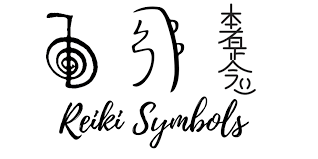
Reiki: Recognized by the World Health Organization
Reiki is Love,
Love is wholeness,
Wholeness is balance,
Balance is well-being,
Well-being is freedom
from disease.
—Mikao Usui
01. What is Reiki and how does it work?
Reiki is a gentle yet profound energy-based practice that originated in Japan and is widely used today as a complementary approach to well-being. The word Reiki combines two Japanese terms: Rei, meaning universal or subtle, and Ki, meaning life energy. Together, they point to the idea that all living systems are animated and sustained by a fundamental energetic flow.
At its core, Reiki works by supporting the natural tendency of the body and mind toward balance. During a Reiki session, a trained practitioner places their hands lightly on or near the body, creating conditions that encourage deep relaxation and heightened awareness. This state allows the nervous system to shift out of stress-driven patterns and into a mode associated with rest, integration, and self-regulation.
Key Takeaway
Reiki is a spiritual practice and energy healing modality founded by Mikao Usui in Japan nearly 100 years ago. The word Reiki means “Universal Life Force Energy,” and this energy flows through all living things.
What makes Reiki especially appealing is its simplicity and accessibility. It is non-invasive, adaptable to individual needs, and can be integrated alongside other wellness practices. Whether someone is seeking relaxation, emotional grounding, or a deeper sense of connection, Reiki offers a space where healing is not imposed, but gently invited.
Rather than forcing change or targeting symptoms directly, Reiki is often described as working with the system as a whole. Clients frequently report a sense of calm, clarity, and inner alignment, as well as a renewed connection to themselves. From a modern perspective, Reiki can be understood as facilitating coherence—helping different aspects of the person communicate more harmoniously.
In a fast-paced world that often prioritizes doing over being, Reiki stands out as a reminder that sometimes the most powerful transformation begins with stillness, presence, and awareness.
02. What is Reiki good for?
Reiki is valued for its ability to support balance, relaxation, and inner clarity in a natural, non-invasive way. Rather than aiming to fix problems or target symptoms, Reiki creates conditions that support the body and mind’s natural capacity for regulation and harmony.
Reiki is commonly used to support:
- Stress relief and relaxation: Helping the nervous system shift from constant alertness into a state of rest, calm, and recovery.
- Emotional balance and mental clarity: Supporting grounding, emotional resilience, and a clearer, more centered state of mind.
- Periods of transition or challenge: Offering stability and support during life changes, demanding work phases, or personal growth processes.
- Overall well-being and self-connection: Encouraging a deeper sense of presence, body awareness, and connection with inner resources.
Reiki is the art of inviting happiness into your mind and body.
Reiki is the secret art of inviting blessings and spiritual medicine of all diseases.— Mikao Usui
Why people choose Reiki:
- It is gentle and non-invasive
- It is suitable for all ages and backgrounds
- It can be easily integrated alongside other wellness or personal development practices
Rather than promising quick fixes, Reiki offers something more enduring: a supportive space where balance can naturally re-emerge, clarity can deepen, and well-being can unfold at its own pace.
03. What are the 5 principles of Reiki?
Mikao Usui (1865–1926) was a Japanese Buddhist teacher and the founder of Reiki, a system of natural healing through energy. After years of study and spiritual practice, he developed a method to channel life force energy through the hands to promote relaxation, balance, and well-being. Usui’s teachings emphasized simplicity, mindfulness, and the integration of body, mind, and spirit, forming the foundation for the Reiki practice still used worldwide today.
Rather than promising quick fixes, Reiki offers something more enduring: a supportive space where balance can naturally re-emerge, clarity can deepen, and well-being can unfold at its own pace.
⚡ The Five Reiki Principles
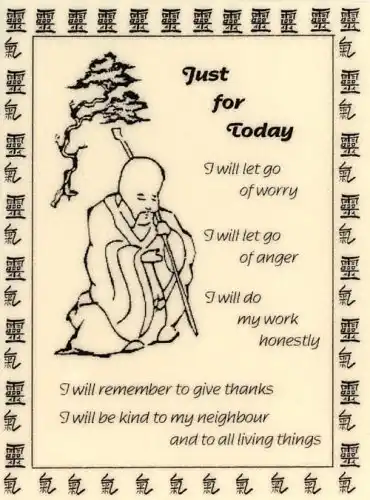
Just for today, do not anger
Just for today, do not worry
Just for today, be grateful
Just for today, work honestly
Just for today, be kind to every living being
Awareness of emotional reactions and encourages responding rather than reacting. By observing anger without judgment, we create space for calm, clarity, and conscious choice.
Worry often pulls attention away from the present moment.
This principle reminds us to release excessive concern about the future and to trust the unfolding of life, one day at a time.
By recognizing what is already present and supportive. Gratitude shifts perception, fosters contentment, resilience, and a positive relationship with everyday experiences.
Also Known as “do your work diligently.” This principle emphasizes integrity, presence, and sincerity in all actions—whether in professional life, relationships, or personal growth.
Kindness begins with ourselves and naturally extends outward. This principle encourages compassion, respect, and empathy toward others and the world around us.
At the heart of Reiki lies a simple yet powerful philosophy known as the Five Principles of Reiki. These principles are not rules to follow perfectly, but daily reminders designed to cultivate awareness, balance, and mindful living. Traditionally attributed to Mikao Usui, the founder of Reiki, they offer practical guidance for aligning inner attitude with well-being.
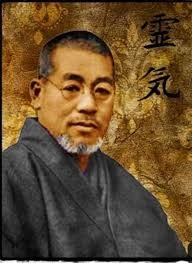
From Mikao Usui's perspective
Why the Five Principles matter? Together, these principles transform Reiki from a technique into a way of life. They help integrate mindfulness into daily routines, reinforce emotional balance, and support long-term well-being. Practiced consistently, even in small ways, they create a foundation for greater harmony, clarity, and inner peace.
04. Is Reiki used in hospitals?
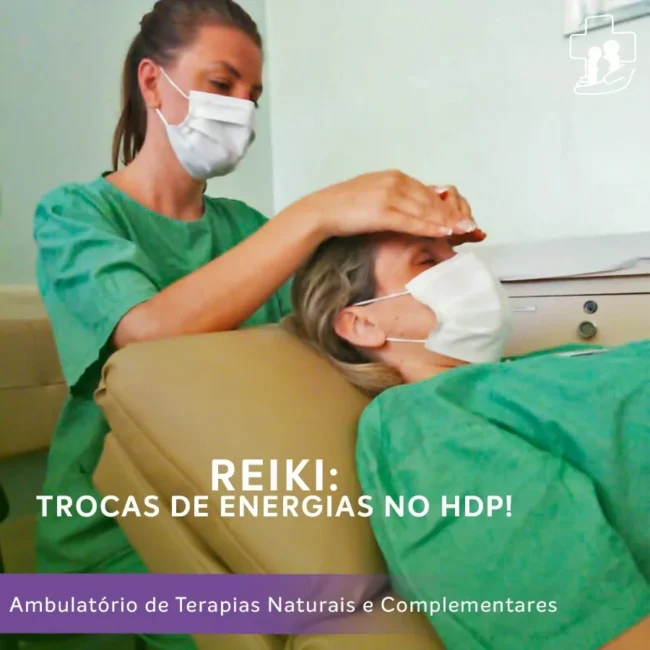
Yes — Reiki is increasingly offered in hospitals across the world as part of complementary care programs, supporting relaxation, comfort, and overall patient experience alongside conventional medical treatment. It is not a replacement for medical care, but many institutions include it as a low risk, supportive option.
Reiki is sponsored by the Brazilian S.U.S. (Sistema Único de Saúde) in public hospitals. —
Débora S., a hospital worker at Divina Providência Health Network.
Examples of countries where Reiki is used in hospitals:
- United States — Numerous hospitals and medical centers offer Reiki, such as Memorial Sloan Kettering, Cleveland Clinic, Yale New Haven, and Duke U. Hospital.
- Canada — Hospitals such as the University Health Network and other health systems include Reiki within complementary care services.
- United Kingdom — Reiki is provided in NHS hospitals including University College London Hospitals and several regional NHS trusts.
- Australia — Reiki has been offered in public hospitals and health programs.
- Germany — Multiple hospitals have incorporated Reiki in complementary care programs.
- Switzerland — Reiki is recognized within complementary programs and sometimes reimbursed by insurers.
- Other countries — Reiki appears in hospital and health care settings in Spain, Ireland, Brazil, Mexico, and New Zealand.
Reiki is energy channeled through the hands—a loving energy often accompanied by soothing music. Sessions offered in the ICU last 20 to 30 minutes and are provided at the request of the patient or their family. — Débora S., a hospital worker at Divina Providência Health Network.
Reiki is no longer confined to private wellness sessions or holistic centers—it has increasingly found a place within Brazilian clinical and hospital. In essence, Reiki’s presence in hospitals demonstrates a shift toward integrative care. This trend reflects both growing patient interest and a recognition of Reiki’s potential to support overall well-being alongside conventional medical care.
05. What happens to you during Reiki?
Experiencing Reiki is often described as a journey into deep relaxation, awareness, and subtle energy alignment. While every session is unique, most people notice a combination of physical, emotional, and mental shifts that create a sense of balance and well-being.
❤️ My Invitation
Are you experiencing physical symptoms, low vitality, or stress disturbances?
Vivian Coach supports body–mind homeostasis through bespoke Reiki biofield sessions, promoting stress regulation, enhanced physiological coherence, and parasympathetic balance. Explore our exclusive Reiki Energy Combo Packages, crafted to go beyond traditional approaches, offering therapeutic strategies that release limiting patterns and foster inner transformation. New to energy work? Begin with our standalone package, Your Reiki Protocol™. 😄
Here’s what typically happens during a Reiki session:
- A calm and safe environment is created:
Sessions usually take place in a quiet, comfortable space, allowing you to let go of external stressors and enter a state of ease.
Soft lighting, gentle music, or simply silence helps your nervous system relax. - You settle into a relaxed state:
Whether lying down or seated, you are encouraged to breathe deeply and allow tension to melt away.
This often leads to a sense of lightness, warmth, or tingling sensations in the body. - The practitioner works with energy flow:
A trained Reiki practitioner places their hands lightly on or just above specific areas of the body.
The intention is not to “force” change, but to support your body’s natural capacity to balance, integrate, and harmonize. - Physical sensations may arise:
Common experiences include warmth, gentle pulsing, a feeling of energy movement, or waves of relaxation.
Some people notice emotions surfacing, or a sense of release and relief from tension. - Mental clarity and emotional calm:
Many clients report feeling mentally clear, centered, and more emotionally stable after a session.
Thoughts may quiet, and the mind can become more focused and present. - A lingering sense of integration:
Even after a session ends, people often feel calmer, more grounded, and attuned to their own energy.
Some describe heightened awareness, improved sleep, or an increased sense of connection with themselves and their environment.
The essence of a Reiki session is not about dramatic effects or immediate solutions. It is about creating a space where your body, mind, and emotional system can relax, realign, and recharge naturally. Over time, regular Reiki sessions can help reinforce a state of resilience, balance, and inner harmony, supporting both everyday well-being and deeper personal growth.
06. Why do I feel weird after Reiki?
It’s not uncommon for people to report feeling “weird,” lightheaded, emotional, or even a bit off after a Reiki session. Far from being a cause for concern, these reactions are often a sign that your body and mind are responding to subtle energetic and physiological shifts. Here’s why you might feel different after Reiki:
 The Five Signs of Reiki in Action
Energy realignment
Reiki works with the body’s natural energy flow, helping areas of tension, stagnation, or imbalance release.
This can create temporary sensations—tingling, warmth, or a feeling of floating—as your system adjusts to new patterns of balance.
Emotional release
Reiki often uncovers stored emotions. You may feel emotional, reflective, or even unexpectedly lighthearted.
These responses are part of the mind and body integrating experiences and releasing stress or tension.
Detoxification & CNS reset
Deep relaxation can trigger subtle shifts in the nervous system and body chemistry. Some people notice mild fatigue, slight dizziness, or a sense of disorientation as the body recalibrates after stress or tension has been released.
Heightened awareness
Reiki can open a window to subtle sensations, thoughts, or perceptions you might normally overlook.
Feeling “weird” can be the result of becoming more attuned to yourself, your environment, and your inner state.
Temporary adjustments
Just as the body can feel different after a deep massage, meditation, or yoga session, Reiki sometimes causes short-term shifts in perception or energy. These usually settle within a few hours or a day, leaving you calmer, more centered, and refreshed.
What to do if you feel this way:
- Drink water to support hydration and energy flow
- Rest or take a gentle walk to help your system integrate
- Reflect or journal to process emotions or insights
- Trust that these feelings are temporary and part of the natural integration process
Feeling “weird” after Reiki is often a positive sign that your system is responding. With each session, these sensations typically become less intense, replaced by lasting clarity, calm, and a sense of balance. In essence, what may feel strange at first is your body and mind realigning, releasing, and reconnecting with their natural state of harmony.
07. Is Reiki just placebo?
It’s a fair and common question: Is Reiki just a placebo? In a world increasingly guided by scientific validation, many people want to understand whether Reiki’s effects are “real” or simply the result of belief and expectation. The honest answer is more nuanced—and far more interesting—than a simple yes or no.
First, it’s important to understand what the placebo effect actually represents. Modern research no longer views placebo as “imaginary” or “fake,” but as a measurable psychobiological response. When a person enters a state of trust, safety, and relaxation, the nervous system, hormonal pathways, and perception of well-being can shift in observable ways. From this perspective, placebo reveals the body’s remarkable capacity for self-regulation and healing.
Reiki operates precisely within this space—but it does not rely solely on belief. Many people report meaningful experiences during Reiki sessions even when they begin as skeptics, have no prior knowledge of Reiki, or hold no expectation of a specific outcome.
Infants, animals, and individuals unable to form conscious expectations are also often reported to respond positively, raising important questions about whether belief alone can account for the experience.
From a practical standpoint, Reiki consistently produces one key outcome: deep relaxation. This state is associated with reduced stress, improved emotional balance, and enhanced coherence within the body’s systems.
Whether viewed through the lens of energy, nervous system regulation, or mind–body interaction, the effects are tangible and repeatable for many people.
Rather than asking whether Reiki is “just placebo,” a more useful question may be: If a practice reliably supports relaxation, balance, and well-being—does the mechanism diminish the value of the outcome? In modern integrative wellness, effectiveness and experience often matter more than rigid categories.
Key Takeaway
Reiki does not position itself as a cure or a replacement for medical care. Instead, it offers a gentle, non-invasive way to support the body and mind’s natural capacity for balance.
For many, the results speak for themselves—not as belief, but as lived experience. In the end, Reiki invites an open-minded exploration. Whether one understands it through science, psychology, or personal experience, what matters most is not the label, but the shift toward greater calm, clarity, and connection that so many people report.
08. Is there any evidence behind Reiki?
When discussing evidence for Reiki, it is helpful to move beyond the idea of proof as a single, definitive experiment. Reiki is typically explored through multiple forms of evidence, reflecting its role at the intersection of experience, physiology, and mind–body interaction.
🚨 Important Note
All content published on this blog and across the website — including, but not limited to, texts, tables, graphics, and other materials — is original and the property of the author, except where expressly indicated otherwise, and is fully protected under applicable copyright law. Any reproduction, copying, distribution, or other use, in whole or in part, without the prior written permission of the author, is strictly prohibited and may result in legal action.
The content provided on this blog is for educational and informational purposes only and does not constitute, is not intended to constitute, and should not be interpreted as clinical diagnosis, prevention, treatment, cure, advice, guidance, or psychological, medical, or therapeutic care. Use of the information is at your own risk. For emotional, psychological, or health-related concerns, seek professional therapeutic or clinical support.
Current forms of evidence include:
- Research on relaxation and stress response:
Studies have observed measurable changes associated with the relaxation response, such as shifts in perceived stress, heart rate variability, and overall calm. - Observations in clinical and integrative settings:
Reiki is offered in hospitals, wellness centers, and integrative care programs, reflecting consistent reports of benefit, patient acceptance, and a safety profile. - Qualitative and experiential evidence:
Client reports and practitioner observations frequently describe increased self-awareness, emotional balance, and resilience over time. - Consistency across repeated use:
Many individuals report similar effects across multiple sessions, suggesting reliability rather than isolated or chance outcomes. - Ongoing scientific interest:
Reiki continues to be explored within emerging research on mind–body regulation, coherence, and non-invasive complementary practices.
How to understand this evidence:
- Evidence for Reiki is cumulative rather than conclusive
- It reflects patterns of effect, not a single explanatory model
- It supports Reiki’s role as a complementary, low-risk practice
Related posts

Depression is the leading cause of disability worldwide, affecting over 264 million people