


Recurring Dreams: From Psychology to Spiritual Insight
Recurring Dreams often
mark seasons of transformation.
— Dr. Barbie Breathitt
01. Why do recurring dreams happen?
Recurring dreams are not rare or random quirks of the sleeping mind — they are common experiences reported by a significant portion of the population. Empirical surveys indicate that between 60 % and 75 % of adults report having at least one recurring dream over the course of their lives, suggesting that this pattern of dreaming reflects enduring psychological processes rather than occasional neural noise.
From a scientific perspective, recurring dreams may emerge when unresolved conflicts or ongoing emotional stresses remain active between waking and sleeping states. Research in sleep science and cognitive psychology associates the repetition of dream themes with persistent concerns, emotional processing during REM sleep, and memory consolidation mechanisms in the brain.
Recurring dreams are proof of your adaptiveness.
They are evidence of your readiness to heal psychic fractures. — Toko-pa Turner.
Understanding recurring dreams requires a multidimensional analytical perspective. Explanatory frameworks do not conceptualize or interpret recurring dreams in a uniform manner. For the purposes of this discussion, these frameworks have been organized into four groups, each of which contributes a distinct and complementary layer of insight.
Key conceptual groups on recurring dreams:
- Cognitive and Scientific Approaches:
Examine how memory, brain activity, and emotional processing shape recurring dream patterns.
Explains how dreams function biologically. - Symbolic and Relational Psychology:
Emphasizes symbolic meaning, unconscious dynamics, and personal relationships revealed through dreams.
Constructs meaning through symbolization and relationships - Experiential and Embodied Approaches:
Consider dreams as extensions of bodily states, energy patterns, and somatic experiences.
Describes dreams as lived experience - Spiritual, Ancestral, and Archaic Dimensions:
Explore dreams as gateways to higher consciousness, ancestral influences, or unacknowledged inner conflicts.
Receives dreams as messages originating beyond the ego - Psychophysical / Field-Based Approaches:
Dreams are local expressions of a psychóid field not reducible to psychological conflict, symbolization, or subjective experience.
Observes correlations within the psychophysical field

It should be noted that certain approaches—such as Cognitive Behavioral Therapy (CBT)—were not originally developed as methodologies for dream interpretation, nor do they place primary emphasis on dream analysis. Nonetheless, they provide a coherent framework for understanding dream content, albeit in a manner that differs fundamentally from the interpretive models employed in psychoanalysis and depth psychology.
❤️ My Invitation
Are you experiencing emotionally disturbing, recurring, or unusually vivid dreams?
Vivian Coach helps you uncover unconscious patterns—such as blocks, fears, loyalties, and inner conflicts—that may be shaping your waking life beyond conscious awareness. Explore our exclusive Dream Analysis Combo Packages, which go beyond traditional interpretation to offer therapeutic strategies for releasing limiting patterns and supporting inner transformation. New to dream work? Our standalone package, Your Dream Analysis™, is the perfect place to begin. 😄
These four frameworks help readers navigate the complex landscape of recurring dreams, highlighting how each lens—from science to spirituality—illuminates the messages your dreams are trying to convey.
01. Recurring dreams: Cognitive & Scientific Approaches
This group brings together approaches that view recurring dreams through the lens of science, observable patterns, and cognitive or neural processes. Dreams are understood as functional phenomena: they reflect brain activity, emotional processing, memory consolidation, or adaptive simulations. Group 1 focuses on what dreams reveal about cognition, behavior, and survival mechanisms, rather than viewing them as messages from the unconscious, symbolic codes, or tools for personal transformation beyond cognitive or emotional adjustment.
While Group 1 approaches can reveal patterns in thought, behavior, and emotional responses, they do not treat dreams as symbolic or relational phenomena, prioritizing evidence-based observation and measurable effects over hidden meanings.
Here, dreams explain how the mind functions—they do not convey messages.
Epistemological axis: Causality, adaptive function, and brain functioning.
Dreams are not perceived as…
❌ Symbols with fixed meanings
❌ Windows into unconscious or archetypal truths
❌ Tools for personal growth beyond cognitive or emotional adjustment
❌ Predictive or divinatory messages
1.1 Cognitive–Behavioral Therapy (CBT)
In CBT, dreams are not interpreted symbolically as expressions of the unconscious. Instead, they are understood as extensions of everyday cognitive functioning. CBT examines how repetitive thoughts and beliefs appear in dreams and how conscious changes in thinking and behavior can bring the dream cycle to an end. In other words, a dream is simply another piece of clinical data, not a hidden message to be decoded.
A cognitive-behavioral therapist might say:
Recurring dreams reflect persistent thought patterns and beliefs;
changing these patterns in waking life can alter or stop the dream cycle.

“Cognitive therapy seeks to alleviate psychological stresses by correcting faulty conceptions and self-signals. By correcting erroneous beliefs we can lower excessive reactions.” – Aaron T. Beck
About:
-
- Founder of CBT: Aaron T. Beck
- Background: Psychiatry / Psychotherapy
- Country: United States
- Focus: Mental patterns and behavior
- Value: A practical, structured approach focused on concrete change 👍
- Repetition: Occurs because the same cognitive pattern remains active in waking life
- Content:
- Reflect core schemas, beliefs, and persistent concerns
- Contain automatic thoughts (often expressed through images rather than words)
- Reveal recurring emotional themes such as threat, loss, failure, or rejection
- Identifying automatic thoughts:
- Ask: “What does this dream suggest about how the person views themselves, others, or the future?”
- Example: A dream about failing may point to beliefs of incompetence or catastrophizing
- Accessing core schemas: Recurrent dreams often point to schemas such as: abandonment, defectiveness or worthlessness, vulnerability, perfectionism
- Working with mental imagery: Techniques like imagery rescripting are widely used, especially in: trauma, anxiety, depression
- Linking dreams to current situations: Ask: “What in your current life resembles what happened in the dream?”
1.2 Evolutionary Approach
In the evolutionary approach, dreams are understood as products of adaptive biological functions shaped by natural selection, rather than as expressions of unconscious symbolism or cognitive distortions. This perspective views dreams as adaptive simulations (simulated environments) in which the brain rehearses adaptive responses to challenges relevant to survival and social functioning. Universal dream themes reflect ancestral risks shared by the human species.
A evolutionary psychologist might say:
Recurring dreams act as simulations of challenges, preparing the mind to anticipate threats and practice adaptive responses.
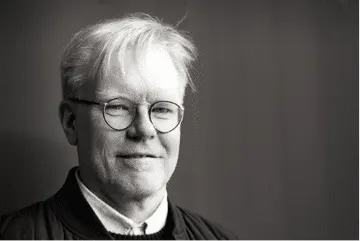
“What from a psychological point of view is a ‘traumatic experience’ is, from a biological point of view, an instance of threat perception and threat-avoidance behavior.” – Anti Revonsuo
About:
- Leading Figure: Antti Revonsuo
- Background: Neuroscience / Psychology
- Country: Finland
- Focus: Survival and adaptation
- Value: Explains why certain dreams recur across cultures 👍
- Repetition: Occurs because it strengthens adaptive responses and enhances emotional readiness
- Content:
- Reflect threat simulation and rehearsal mechanisms
- Recreate social conflicts, dangers, and survival-relevant scenarios
- Emphasize emotionally salient situations, especially fear, loss, and competition
- Threat simulation:
- Dreams rehearse responses to potential dangers (e.g., being chased, attacked, excluded)?
- Example: A dream about being chased by a predator or an attacker, forcing the dreamer to practice escape strategies such as hiding or running away
- Social rehearsal: Dreams model social interactions such as conflict, status negotiation, attachment, and rejection
- Emotional calibration: Repeated dream themes may indicate heightened sensitivity to particular evolutionary pressures (e.g., vigilance, avoidance, dominance)
1.3 Neuroscience
In neuroscience, dreams are understood as neurocognitive phenomena (the byproduct of brain activity during sleep), particularly during REM sleep, shaped by memory consolidation, emotional processing, neural activation patterns, and cognitive rehearsal. This perspective views dreams as the brain’s experiential outputs: they transparently reflect emotions, conflicts, and daily experiences, rather than encoding hidden symbolic messages.
A neuroscience researcher might say:
Recurring dreams reflect the brain’s ongoing efforts to process experiences, emotions, and memories, helping consolidate learning, regulate mood, and rehearse responses to challenges.

“The form of dreams is related to brain activity in sleep; and that the brain is first turned on (activated) during sleep and then generates and integrates (synthesizes) its own sensory and motor information.” – Allan Hobson
About:
- Leading Figure: Allan Hobson
- Background: Neuroscience / Psychiatry
- Country: United States
- Focus: Brain processes, memory, and emotion
- Value: Explains dreams as functional, biologically grounded processes that support cognition and emotional balance 👍
- Repetition: Occurs because the neural circuits involved remain active until experiences are fully integrated
- Content:
- Arise from spontaneous neural activation
- Integrate recent memories with older associative networks
- Reflect emotional processing mediated by limbic structures
- Show reduced activity in prefrontal regions, affecting logic and self-monitoring
- Memory consolidation:
- Dreams reflect the reorganization and strengthening of memory traces
- Example: A dream about practicing a skill you learned that day, like giving a speech, where your brain “replays” and reinforces the memory
- Emotional processing: Dreams help modulate emotional responses, especially to salient or unresolved experiences
- Neural activation patterns: Dream content reflects which brain networks are active or inhibited during sleep
-
 Select options This product has multiple variants. The options may be chosen on the product page
 -
 Select options This product has multiple variants. The options may be chosen on the product page
 -
 Select options This product has multiple variants. The options may be chosen on the product page
02. Recurring dreams: Relational, Symbolic & Depth Psychology
This group explores recurring dreams as windows into the relational, symbolic, and deep layers of the psyche. Dreams are not reduced to cognitive processes or neural activity; instead, they reflect unconscious dynamics, recurring emotional patterns, and symbolic processes that emerge in the interplay between the ego and other. The focus is on meaning-making, individuation, and relational understanding—how recurring dreams express ongoing struggles, unresolved emotional conflicts, and the integration of split-off aspects of the psychological self.
Here, the term “symbolic” refers less to fixed or universal codes and more to the process of symbolization: dreams pointing toward what is not yet known, inviting the dreamer to engage, relate, and transform. Recurrence signals areas of the psyche that are calling for recognition, dialogue, and integration, often within interpersonal or intrapsychic contexts.
Here, “symbol” refers to a living process of meaning—not a code or an entity.
Epistemological axis: Meaning-making through psychic symbolization and relational processes.
Dreams are not perceived as…
❌ Universally coded symbols with one “correct” meaning
❌ Simple cognitive patterns or behavioral prompts
❌ Purely literal or predictive events
❌ Purely manifestations of repressed desires (in the classical Freudian sense)
2.1 Contemporary Psychoanalysis (Beyond Freud)
In Contemporary Psychoanalysis, dreams are understood as expressions of the relational and intersubjective unconscious, rather than merely reflections of repressed wishes. They reveal patterns in how we experience relationships, internal conflicts, and the subtle ways the psyche negotiates between conscious desire and unconscious impulses.
Recurring dreams express repeated emotional dynamics in relationships. They reveal unconscious patterns of attachment, defense, and desire. In other words, a dream is not just a story or an image, but a meaningful narrative that illuminates unconscious relational patterns and unresolved emotional conflicts.
A contemporary psychoanalyst might say:
Recurring dreams express repeated emotional and relational patterns; understanding these can transform both the dream and your relationships.


“Interpretations, like the sculptor’s chisel, would be used to target and then chip away at the imprisoning defenses, exposing the patient’s inner psychic reality.” – Stephen A. Mitchell
About:
- Leading Figure: Stephen Mitchell
- Background: Clinical Psychology / Psychoanalysis
- Country: United States
About:
- Leading Figure: Otto Kernberg
- Background: Psychiatry / Psychoanalysis
- Country: United States
- Focus: Emotional bonds and relational patterns
- Value: A relational and affective update of classical psychoanalysis 👍
- Repetition: Occurs because the affect that would transform both the dream and the relational pattern was not worked through
- Content:
- Reflect relational dynamics and recurring patterns in personal relationships
- Contain symbolic representations of internalized others, conflicts, and unmet needs
- Reveal emotional themes such as attachment, loss, longing, or ambivalence
- Act as a bridge between the intrapsychic and interpersonal world
- Exploring relational patterns:
- Ask: “Which relationships, past or present, are reflected in this dream?”
- Example: A dream of being abandoned may point to unresolved attachment patterns or internalized relational fears
- Identifying internalized others:
- Dreams often present characters as parts of self shaped by past relationships, conflicts, or parental figures
- Understanding how these characters interact can reveal inner dynamics and unresolved relational tension
- Accessing emotional truths:
- Recurring dream themes often highlight unresolved grief, ambivalence, or desires for connection
- Observing emotional tone and symbolic imagery allows the analyst and client to trace patterns in affect regulation
- Linking dream content to waking relational life: Ask: “How do these dream dynamics show up in current relationships, work, or family interactions?”
2.2 Gestalt Therapy
In Gestalt Therapy, dreams are seen as projections of the self in the here-and-now, rather than as symbolic codes to be decoded. Each dream element, character, or event represents a part of the dreamer’s personality, feelings, or conflicts that are waiting to be integrated into conscious experience. According to Fritz Perls, “the dream is the most spontaneous expression of the human being’s existence. Dreams are the royal road to integration.”
Each dream element represents fragmented aspects of the dreamer’s own self. Awareness of these parts fosters integration and vitality. In other words, dreams are not messages to interpret, but invitations to dialogue with parts of yourself, bringing unconscious or avoided aspects into conscious awareness.
A Gestalt therapist researcher might say:
Recurring dreams show fragmented aspects of the self; bringing awareness to each part helps restore wholeness and vitality.
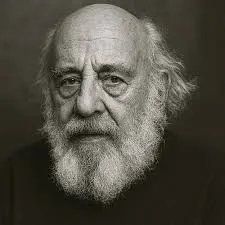
“Gestalt emphasizes self-responsibility and using awareness to guide choice; to do this, its approach to the gap between the individual (self) and the world (other) is important, as is the individual emphasis on how the person adjusts, adapts, and finally responds autonomously to all that this other and the world brings.” – Fritz Perls
About:
-
- Founder of Gestalt Therapy: Fritz Perls
- Background: Psychiatry / Psychotherapy
- Country: German / United States
- Focus: Integration of parts of the self
- Value: An experiential, integrative, and highly embodied approach 👍
- Repetition: Occurs because one of these parts has not been recognized or integrated
- Content:
- Reflect aspects of the self that are unacknowledged, disowned, or split off
- Highlight unresolved conflicts, unmet needs, or suppressed emotions
- Function as living metaphors of the dreamer’s current experience
- Offer opportunities for integration, awareness, and personal growth
- Dialoguing with dream characters or elements:
- Ask: “Which part of me might this character or object represent?”
- Example: A dream of being chased could represent a part of you that feels pressured or avoided in waking life
- Enacting the dream: Acting out or role-playing scenes from the dream allows the dreamer to experience and express feelings directly,
rather than just thinking about them. - Exploring present-moment awareness:
- Focus on sensations, emotions, and impulses triggered by the dream
- Ask: “What am I feeling now as I relive or describe this dream?”
- Integrating disowned parts of the self:
- Dreams often point to traits, desires, or fears that are split off from awareness
- Bringing these aspects into dialogue strengthens self-integration and personal authenticity
2.3 Jungian Psychology
In Jungian Psychology, also known as Analytical Psychology, dreams are messages from the unconscious, rich with symbols, archetypes, and personal meaning. They are not random or purely cognitive events; rather, they are expressions of the psyche attempting to communicate important truths about the self and its development. They highlight aspects of the self seeking recognition, balance, or growth.
Dreams guide the dreamer toward individuation, the lifelong process of integrating conscious and unconscious aspects of the personality. In other words, a dream is not just a story or a night-time experience, but a psychic message from the Self, offering insight into unresolved conflicts, latent potential, and the path toward personal wholeness.
A Jungian might say:
Recurring dreams, in particular, signal issues that remain unresolved in waking life, demanding attention until they are consciously understood or integrated.
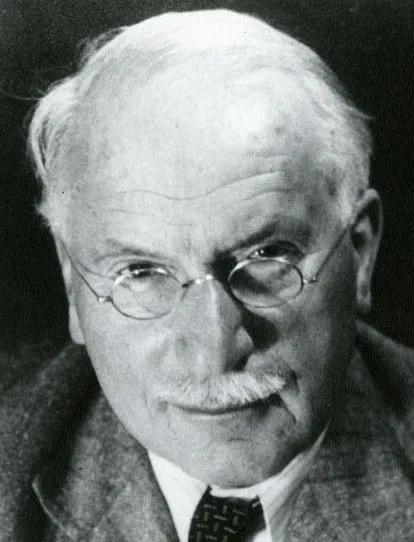
“The dream is a little hidden door in the innermost and most secret recesses of the soul, opening into that cosmic night which was psyche long before there was any ego-consciousness.” – Carl Jung
About:
- Founder of Analytical Psychology: Carl Gustav Jung
- Background: Psychiatry / Psychotherapy
- Country: Switzerland
- Focus: Personal and collective unconscious
- Value: Offers deep symbolic insight and a path to personal transformation and self-understanding 👍
- Repetition: Occurs until the dream material is consciously acknowledged and integrated
- Content:
- Reflect personal unconscious material, including repressed emotions, desires, and conflicts
- Tap into the collective unconscious, revealing archetypal patterns shared across humanity
- Present recurring motifs, symbols, or figures that illuminate life themes and inner potentials
- Act as guides for psychological growth and self-understanding
- Exploring personal symbols:
- Ask: “What does this image or character mean to me personally?”
- Example: A snake in a dream may represent a personal transformation, hidden fear, or energy waiting to be integrated.
- Recognizing archetypal themes:
- Recurring dream figures may represent archetypes such as the Shadow, Anima/Animus, or Wise Old Man/Woman
- Understanding these archetypal roles helps the dreamer see universal psychological patterns at work in their life
- Dialoguing with the dream: Techniques like active imagination allow the dreamer to interact directly with dream figures,
uncovering messages from the unconscious - Linking dreams to personal growth:
- Ask: “How does this dream reflect my current psychological development or life challenges?”
- Dreams guide the dreamer toward integration of unconscious material and conscious awareness, supporting individuation
![7 Senses [YOU] + Dreams<span style="color:#0078D7; vertical-align: super; font-size: 0.7em;">4-in-1</span> 🔥](https://www.viviancoach.com/wp-content/uploads/2026/01/7-Sense-Regulation-Dream-Analysis-300x300.webp)

03. Recurring dreams: Experiential and Embodied Approaches
This group emphasizes the direct, lived experience of dreams, attending to embodied states, sensations, and conscious awareness. Dream meaning emerges from experiences unfolding within the body–mind continuum, rather than from fixed symbols or traditional symbolic interpretation. These approaches offer insight into present-moment awareness, as well as physiological processes and existential engagement. Recurring dreams are explored as phenomena revealing the dreamer’s engagement with freedom, choice, tension, impasses, existential concerns, or unresolved bodily and emotional patterns.
The key distinction from Group 2 is that while symbolic-relational approaches create dialogue with inner representations and archetypes, experiential and mind–body approaches focus on the lived, felt reality of the dream, whether through somatic sensations, awareness of energy or tension, or existential reflection. Recurrence indicates aspects of the body or consciousness that continue to seek attention, regulation, or acknowledgment.
Here, the dream shows—it does not conceal.
Epistemological axis: Immediate experience and the body as the primary source of meaning.
Dreams are not perceived as…
❌ Fixed archetypes or universal symbols
❌ Merely cognitive or problem-solving tools
❌ Detached mental events with no bodily or existential resonance
❌ Predictive messages
3.1 Phenomenology / Existentialism
In this approach, dreams are direct expressions of lived experience and conscious awareness, offering insight into how the dreamer experiences the world, existence, and their own sense of being. Dreams are not interpreted as symbols to decode or cognitive patterns to analyze; rather, they are phenomena to be explored as they are experienced, reflecting the dreamer’s engagement with freedom, choice, responsibility, and meaning.
A phenomenologist might say:
Recurring dreams reveal how you are being-in-the-world, highlighting choices, impasses, or existential concerns in your present life
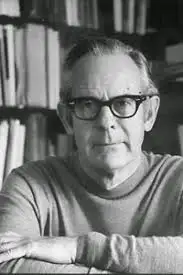
“The value of dreams, like … divinations, is not that they give a specific answer, but that they open up new areas of psychic reality, shake us out of our customary ruts, and throw light on a new segment of our lives.” – Rollo May
About:
- Leading Figure: Rollo May
- Background: Clinical Psychology
- Country: United States
About:
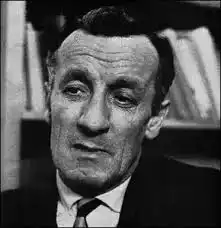
- Leading Figure: Merleau-Ponty
- Background: Philosopher
- Country: France
- Focus: Lived experience and the meaning of existence
- Value: Philosophical depth with a strong focus on present-life meaning 👍
- Repetition: Occurs because unresolved existential concerns or unacknowledged aspects of one’s lived experience continue to demand awareness
- Content:
- Reflect subjective experience and consciousness in action
- Reveal tensions, dilemmas, and existential concerns, such as freedom, isolation, mortality, or authenticity
- Capture how the dreamer relates to themselves, others, and the world in the present moment
- Offer a unique perspective on choices, responsibility, and the search for meaning
- Exploring lived experiences:
- Ask: “What does this dream reveal about how I am experiencing my life, my relationships, or myself?”
- Example: A dream of being lost in a city may reflect feelings of uncertainty, choice, or existential anxiety
- Focusing on present-moment awareness:
- Pay attention to the emotions, sensations, and impulses that arise while recalling or describing the dream
- Notice how these experiences connect to waking life concerns
- Identifying existential themes:
- Recurring dream scenarios may illuminate questions of freedom, responsibility, isolation, or authenticity
- Reflecting on these themes can guide conscious decisions and personal growth
- Using dreams for self-reflection and meaning-making:
- Dreams can serve as mirrors for understanding one’s values, priorities, and life path
- They provide material for intentional reflection on how to live more authentically
3.2 Somatic / Mind–Body Approaches
In this approach, dreams are embodied experiences that connect the mind, body, and emotions. Dreams are not only mental events; they are felt experiences, often carrying messages about tension, trauma, energy flow, and unresolved bodily sensations. Working with dreams in this way emphasizes listening to the body as it expresses what the conscious mind may not fully register.
Somatic approaches view the body as a repository for physical tensions, stored bodily trauma, nervous system states, or physiological states that may appear in recurring dreams. The body continues processing what the mind has not yet resolved. In other words, a dream is not just a mental narrative, but an embodied signal of what is happening within the body-mind system, offering opportunities to release, integrate, and restore balance.
A somatic therapist might say:
Recurring dreams reflect unresolved bodily tension or trauma; attending to the body can reduce recurrence and restore balance.


“In bottom‑up approaches [to processing trauma], the body’s sensation and movement are the entry points and changes in sensorimotor experience are used to support self‑regulation, memory processing, and success in daily life.” – Pat Ogden
About:
- Leading Figure: Peter Levine
- Background: Psychology / Somatic Psychotherapy
- Country: United States
About:
- Leading Figure: Pat Ogden
- Background: Clinical Psychology / Psychotherapy
- Country: United States
- Focus: Bodily memory and the nervous system
- Value: Deeply connects dreams, trauma, and physiology 👍
- Repetition: Occurs because the bodily memory was not somatically regulated
- Content:
- Reflect somatic states, bodily sensations, and emotional imprints
- Reveal patterns of tension, trauma, or unresolved experiences stored in the body
- Offer insight into how physical, emotional, and mental processes are interconnected
- Function as tools for self-regulation, healing, and integration
- Tracking bodily sensations:
- Ask: “What sensations arise in my body as I recall this dream?”
- Example: Tightness, heaviness, or tension in a dream may reflect suppressed emotions or unresolved trauma
- Using movement and embodiment:
- Enact dream scenes through gentle movement, posture, or gesture
- Allows the body to express what words alone cannot
- Breath and energy work: Techniques such as breathing, mindfulness, or subtle energy practices can release stored tension and integrate emotional experiences
- Linking dreams to personal growth:
- Ask: “How does this dream relate to patterns I notice in my posture, stress response, or emotional cycles?”
04. Recurring dreams: Ancestral, Spiritual, & Archaic Dimensions
The affinity among these approaches is not ontological (scientific versus spiritual), but structural—it lies in how dreams are understood to function. This group understands recurring dreams as messages that are received rather than constructed, originating beyond the individual dreamer and connecting them to ancestral, collective, spiritual, or archaic layers of meaning. As a result, the individual participates in the dream process but is not the epistemological center. Dreams are interpreted as pre-existing messages or truths to be revealed, decoded, or aligned with.
Dreams here are not primarily cognitive phenomena, relational mirrors, or somatic signals; they are experienced as communications from transpersonal, transindividual, or trans-egoic sources—not necessarily in the Jungian sense, but in the sense that the dream’s meaning lies outside the individual ego. The dream message may be understood as deriving from non-egoic layers that precede conscious awareness, reflecting either an external or an archaic authority of meaning, such as:
- Ancestors or spirits (Indigenous and shamanic traditions)
- A spiritual or divine plane (General spiritual perspectives)
- Systemic family dynamics (Family Constellations)
- The archaic unconscious (Classical Freudian psychoanalysis)
Unlike approaches in Group 2, Group 4 does not engage in symbolization as a living phenomenological process, nor does it work dialogically, relationally, or integratively to foster individuation. Instead, symbols may appear as fixed symbolic substitutions (e.g., elongated objects as phallic symbols in classical Freud) that disguise conflict, or as archetypal or spiritual entities (e.g., power animals as spiritual guides in shamanic traditions).
Here, the dream precedes the subject.
Epistemological axis: Dream meaning originates in non-egoic layers that precede individual consciousness.
Dreams are not perceived as…
❌ Simple cognitive patterns or adaptive exercises
❌ Merely symbolic or relational events for personal insight alone
❌ Predictive in a mechanistic sense
❌ Fully explainable through observable brain, memory, or bodily processes
4.1 Indigenous and Shamanic Traditions
In these traditions, dreams are sacred experiences and messages from the spiritual or ancestral realm. They are not merely mental phenomena; dreams serve as guides, teachings, and portals to connect the dreamer with nature, community, ancestors, and spiritual dimensions. Dreams are understood as living interactions with forces beyond ordinary perception, offering insight, protection, and guidance.
Recurring dreams are seen as messages, warnings, or spiritual callings. They may indicate loss of soul, purpose, or connection with nature. In other words, a dream is not just a story of the night, but a sacred event, offering messages that can guide life choices, community relationships, and spiritual practice.
A shamanic practitioner might say:
Recurring dreams are messages from the spirit world, guiding you toward healing, alignment, and connection with the greater whole.
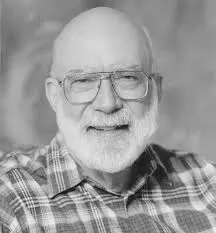
“He (the Shaman) is a self-reliant explorer of the endless mansions of a magnificent hidden universe.” – Michael Harner
About:
-
- Leading Figure: Michael Harner
- Background: Anthropology / Xamanism researcher
- Country: United States
- Focus: Soul, nature, and community
- Value: Symbolic, spiritual, and collective view of dreaming 👍
- Repetition: Occurs because they are calls for listening, ritual, and realignment with the whole
- Content:
- Act as communications from spirits, ancestors, or natural forces
- Reveal hidden conflicts, life lessons, or guidance from non-ordinary reality
- Serve as ritual tools for healing, initiation, and spiritual growth
- Connect the dreamer to ancestral knowledge, collective wisdom, and ecological awareness
- Exploring lived experiences:
- Record dreams with intention, often accompanied by offerings, meditation, or prayer
- Example: Dreams of animals may represent spirit guides, medicine, or messages from the natural world
- Interpreting symbols within cultural context:
- Dream elements are understood through the lens of ancestral knowledge and community practices
- Recognize how these symbols relate to life, relationships, and spiritual journey
- Dream incubation and guidance:
- Practices such as vision quests, ceremonies, or meditative preparation can invite meaningful dreams
- Dreams are used to receive guidance for healing, decision-making, or understanding hidden conflicts
- Integration and action:
- Apply lessons from dreams to daily life, spiritual practice, or community wellbeing
- Dreams are valued not only as insight but as tools for transformation and alignment with one’s path
4.2 Family Constellations
In Family Constellations, dreams are seen as windows into the hidden dynamics and entanglements within a family or ancestral system. Dreams are not just personal narratives; they can reveal loyalties, unresolved traumas, or patterns passed down through generations. Working with dreams in this context emphasizes relationships, belonging, and systemic awareness, offering insight into how the past influences the present.
Recurring dreams reflect unresolved systemic family dynamics. They may indicate entanglements, exclusions, or transgenerational trauma. In other words, a dream is not just a private story, but a window into relational and systemic forces, offering opportunities to understand one’s place in the family, resolve entanglements, and foster connection.
A family constellations facilitator might say:
Recurring dreams reveal unresolved family or ancestral dynamics; acknowledging these patterns can restore balance to your personal and family system.
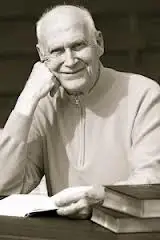
“Recurring dreams often reveal unresolved family and ancestral dynamics; acknowledging these patterns can restore balance to your personal and family system.” – Bert Hellinger
About:
-
- Founder of Family Constellations: Bert Hellinger
- Background: Social Educador / Pastor Cató lico / Psychotherapy
- Country: German
- Focus: The family system and unconscious loyalties
- Value: Explains dreams interpretation beyond the individual to include the family field 👍
- Repetition: Occurs because it invites systemic reorganization and the return of burdens that do not belong to the individual
- Content:
- Reflect intergenerational patterns, hidden family loyalties, or unresolved conflicts
- Highlight how family or ancestral dynamics shape personal behavior, emotions, and choices
- Reveal recurring themes, roles, or allegiances within the systemic field
- Serve as tools for healing, reconciliation, and restoring balance within the family system
- Identifying family or ancestral dynamic:
- Ask: “Which family relationships, roles, or loyalties might this dream be reflecting?”
- Example: A dream of being ignored or excluded may point to unacknowledged patterns or traumas in the family system
- Exploring systemic roles:
- Consider how characters or events in the dream represent family members, ancestral influences, or inherited conflicts
- Integrating insights through reflection or ritual:
- Use journaling, symbolic representation, or guided constellation exercises to process and honor relational patterns
- Applying dreams to restore balance:
- Reflect on how the dream’s message can inform decisions, relationships, or healing practices within your family system
4.3 General Spiritual / Mystical Practices
In spiritual and mystical practices, dreams are often seen as connections to higher consciousness, divine guidance, or inner wisdom. Dreams are not merely mental phenomena; they are vehicles for insight, inspiration, and spiritual growth. Working with dreams in this approach emphasizes meaning, guidance, and alignment with one’s life purpose.
Recurring dreams carry messages from the soul or higher consciousness. They highlight life lessons, guidance, or opportunities for inner growth. In other words, a dream is not just a story of the night, but a spiritual encounter, offering insight into how to live more fully, authentically, and aligned with one’s highest values and purpose.
A spiritual guide might say:
Recurring dreams are messages from the soul or higher self, offering guidance, insight, and support on your path of growth, awakening, and spiritual alignment.


“Dreams are the hidden doorway to the inner wisdom of the soul, revealing truths that the conscious mind cannot see.” – Deepak Chopra
About:
- Leading Figure: James Hillman
- Background: Psychology / Psychoanalysis
- Country: United States
About:
- Leading Figure: Eckhart Tolle
- Background: Writer / Spiritual Guide
- Country: German / Canada
About:
- Leading Figure: Deepak Chopra
- Background: Doctor / Guru
- Country: Indian / United States
- Focus: Soul, higher self, and guidance
- Value: Emphasizes spiritual awareness, alignment, and the expansion of consciousness 👍
- Repetition: Occurs because the dreamer should notice the patterns and applies the insight in life
- Content:
- Provide messages from the Self, Spirit, or higher intelligence
- Reveal life lessons, guidance, and pathways toward personal or spiritual development
- Highlight inner conflicts, moral dilemmas, or soul-level themes
- Function as tools for reflection, discernment, and conscious transformation
- Reflecting on spiritual messages:
- Ask: “What guidance or insight does this dream offer for my life or spiritual path?”
- Example: A dream of light or water may represent renewal, clarity, or spiritual awakening.
- Engaging in meditation or contemplative practice:
- Revisit the dream through prayer, meditation, or journaling to uncover deeper meanings
- Applying lessons to daily life:
- Consider how dream insights can inform decisions, relationships, or personal growth
- Dreams are seen as practical guides for living in alignment with spiritual values
- Integrating with ritual or intention:
- Dreams may be incorporated into rituals, affirmations, or conscious practices to enhance clarity, healing, or alignment
4.4 Freud Psychoanalysis
In Freud’s approach, dreams are the royal road to the unconscious. They are expressions of repressed desires, conflicts, and unresolved experiences, often disguised through symbolism, condensation, and displacement. Working with dreams in this framework emphasizes understanding hidden motivations, unconscious wishes, and psychological conflicts.
Recurring dreams express repressed wishes, drives, or unresolved conflicts. Analyzing the dream uncovers hidden motivations and helps release psychic tension. In other words, a dream is not just a random story, but a carefully disguised message from the unconscious, waiting to be decoded to understand hidden desires and psychological tensions.
A Freudian psychoanalyst might say:
Recurring dreams are expressions of repressed wishes and unresolved conflicts that the mind seeks to work through during sleep.
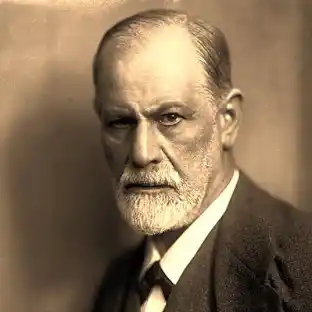
“Unexpressed emotions will never die. They are buried alive and will come forth later in uglier ways.” – Sigmund Freud
About:
- Founder of Psychoanlysis: Sigmund Freud
- Background: Neurology / Doctor / Psychoanalysis
- Country: Áustria
- Focus: Unconscious desires and unresolved conflicts
- Value: Provides access to the unconscious, revealing the roots of behavior and emotional life 👍
- Repetition: Occurs because the mind continues to attempt symbolic fulfillment or resolution
- Content:
- Reflect unconscious wishes and impulses, often masked by the dream’s narrative
- Reveal conflicts between desires and moral, social, or ego constraints
- Use symbols, imagery, and condensation to disguise their latent meaning
- Function as a window into the unconscious, allowing insight into unresolved issues and inner drives
- Identifying latent content:
- Ask: “What unconscious wish, fear, or conflict might this dream be disguising?”
- Example: A dream of falling may reflect repressed anxiety, loss of control, or forbidden desire
- Analyzing symbols and condensation:
- Break down the dream into elements and explore what each symbol may represent in relation to unconscious desires
- Exploring repression and resistance:
- Notice which parts of the dream are forgotten, distorted, or resisted; these often highlight areas of psychological conflict
- Linking dreams to life and neuroses:
- Use the dream to understand recurring emotional patterns, unresolved conflicts, or neurotic tendencies
05. Recurring dreams: Psychophysical / Field-Based Approaches
Why Group 5 doesn’t fit neatly into any of the other four groups? Groups 1 and 2 reject non-locality and the psychóid field, requiring strictly physical causality. Yet the psychóid model goes beyond the psyche—it is not merely symbolic or relational, but engages the ontology of reality. Unlike Group 3, the psychóid phenomenon is not directly accessible through immediate, embodied experience. While Group 4 considers forces beyond the ego and larger orders, the Jung–Pauli model does not presuppose spiritual entities; it is neither ancestral in the cultural sense nor religiously metaphysical.
Group 5 is transversal, and radically different from interpreting, symbolizing, experiencing, or decoding conflict. It operates at an ontological level, not merely psychological. The Jung–Pauli model proposes:
- A field-based epistemology
- Where dream, symbol, matter, and event
- Are expressions of the same underlying order
Here, the dream does not represent—it corresponds.
Epistemological axis: Psychophysical field reality (psyche and matter as complementary aspects of a single underlying order).
Dreams are not perceived as…
❌ Extensions of daily cognitive patterns or neuropsychological processes
❌ Material to be symbolically or relationally interpreted for psychic integration
❌ Hidden personal conflicts or personal messages to be decoded
❌ Messages requiring spiritual belief or metaphysical doctrine
5.1 Jung: Psychóid model
In this approach, dreams are structural rather than merely psychological events to be interpreted. They are understood as local manifestations of a psychóid field, reflecting a deeper order in which psyche and matter co-emerge. This perspective applies to dreams, symbols, and archetypes, emphasizing that certain experiences or meaningful coincidences (synchronicities) cannot be explained solely by psychological mechanisms or causal processes.
Jung originally proposed the psychóid model as a theoretical construct within analytical psychology—still centered on the psyche, yet extending ontology beyond the personal and collective levels. 📌 How dreams function in the Psychóid model:
What a dream is (ontologically):
- A dream is not merely expression, symbol, conflict, or experience
- It is a local manifestation of a deeper order of reality
Where the dream comes from:
- Dreams derive from the psychóid level, a pre-psychic, pre-material domain
- This level is neither the personal unconscious nor merely the collective unconscious
- It is a neutral layer where psyche and matter emerge together
Jung introduces the psychóid as a pre-psychic, pre-material level; the Jung–Pauli collaboration reframes this level explicitly as a psychophysical field, emphasizing psyche–matter correlations rather than treating the psychóid as a psychological metaphor. In this expanded Jung–Pauli model, the psychóid ceases to be a limiting concept of psychology and becomes a psychophysical ontology (see Section 5.2). As a result, the answer to “Where does the dream come from?” is revised to: In the Jung–Pauli model, dreams do not originate solely from the psyche—they emerge from a field.
A Jungian analyst working with the psychóid model might say:
Recurring dreams are manifestations of underlying archetypal structures and pre-psychic patterns, reflecting fundamental dynamics of the psyche that seek expression beyond personal awareness.
“Psyche and matter are contained in one and the same world, and moreover are in continuous contact with one another.” – Carl Jung
About:
-
- Founder of Analytical Psychology: Carl Gustav Jung
- Background: Psychiatry / Psychotherapy
- Country: Switzerland
- Focus: Archetypes, symbols, and the pre-psychic psychóid level
- Value: Offers insight into fundamental patterns of psyche and reality beyond personal experience👍
- Repetition: Occurs because underlying archetypal or psychóid structures are seeking expression
- Content:
- Dreams can reveal archetypal patterns that appear simultaneously in the mind and the external world
- Symbols—archetypal images—may organize both inner experience (psyche) and external events (matter)
- Certain dreams show correlations with physical reality that are not causally explainable (precursors to synchronicities)
- Some dreams didn’t seem purely psychological. There were meaningful coincidences between: psychic states and physical events
- Observe patterns across mind and matter:
- Ask: “Does the dream imagery correspond to events, synchronicities, or recurring structures in the environment”
- Example: Premonitory dreams
- Focus on structural correspondences, not personal interpretation:
- Example: A recurring water motif might align with emotional, cultural, or even physical patterns, without needing a fixed symbolic meaning.
- Track archetypal regularities:
- Dreams can hint at universal or deep organizing principles, rather than personal unconscious conflicts
5.2 Jung–Pauli Collaboration
Jung’s psychóid model introduces the concept of the psychóid as a pre-psychic level at which mind and matter emerge together. The Jung–Pauli collaboration expands this model—still rooted in psychological and archetypal thought, yet grounded in ontology—by incorporating the notion of a psychophysical field, non-locality, complementarity, and deep structures of reality that are neither purely physical nor purely mental. In this expanded view, dreams, physical events, and patterns of reality are understood as manifestations of the same underlying order, making the model both ontological and transdisciplinary.
The Jung–Pauli psychophysical model views dreams not merely as psychological expressions, but as manifestations of an underlying psychophysical field in which psyche and matter co-emerge as complementary aspects of a deeper order. Dreams are understood as local manifestations of this deeper reality, revealing correlations between psychic states and physical events within a non-causal, field-like structure. In this view, dreams are not purely psychological, symbolic, relational, or experiential phenomena; rather, they reflect structural patterns of reality itself.
In particular, the Jung–Pauli model prevents reducing Jung to ‘symbolic psychology’ and suggests that not everything in dreams is psychology. It acknowledges the limits of classical approaches while introducing a dialogue with hard science.
From a Jung–Pauli perspective:
Recurring dreams reflect correlations between mind, matter, and reality within a psychophysical field, revealing recurring patterns in the shared order underlying both inner experience and external events.
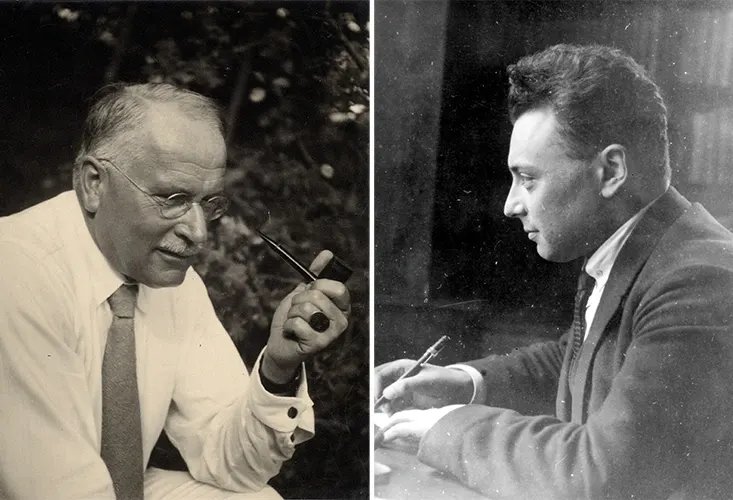
“The ordering and regulating factors must be placed beyond the distinction between physical and psychical.” – Wolfgang Pauli
About:
- Founder & Creator: Carl Gustav Jung
- Background: Psychiatry / Psychotherapy
- Country: Switzerland
About:
- Nobel laureate in Quantum Physics: Wolfgang Pauli
- Background: Theoretical Physicist
- Country: United States
- Focus: Not merely psychological or archetypal, but ontological—observing psychophysical field correlations between psyche, matter, and reality
- Value: Reveals transdisciplinary connections and non-local patterns in dreams and events 👍
- Repetition: Arises from recurring expressions of the same underlying field order
- Content:
- Dreams are expressions of a psychophysical field where mind and matter emerge together
- They can coincide with external events in ways that transcend causal explanation (synchronicity)
- Dream imagery may reveal underlying patterns of reality, not merely personal or relational content
- Here, dreams are not merely interpreted—they are correlated
🚨 Important Note
All content published on this blog and across the website — including, but not limited to, texts, tables, graphics, and other materials — is original and the property of the author, except where expressly indicated otherwise, and is fully protected under applicable copyright law. Any reproduction, copying, distribution, or other use, in whole or in part, without the prior written permission of the author, is strictly prohibited and may result in legal action.
The content provided on this blog is for educational and informational purposes only and does not constitute, is not intended to constitute, and should not be interpreted as clinical diagnosis, prevention, treatment, cure, advice, guidance, or psychological, medical, or therapeutic care. Use of the information is at your own risk. For emotional, psychological, or health-related concerns, seek professional therapeutic or clinical support.
- Identify correlations across psyche and external events:
- Ask: “Does the dream imagery correspond to a bilateral comunication?”
- Example: A dream motif appearing simultaneously in a scientific discovery or natural event
- Recognize non-locality and field effects:
- Dreams may point to structures that are neither purely mental nor purely physical
- Observe repeated field patterns:
- Track recurring themes that indicate systemic or universal organizing principles
Related posts


Depression is the leading cause of disability worldwide, affecting over 264 million people