Recurring dreams often
mark seasons of transformation.
— Dr. Barbie Breathitt
01. What do recurring dreams indicate?
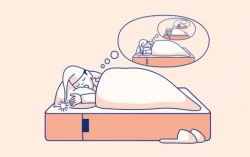
Recurring dreams are more than just nighttime repetitions—they are messages from the subconscious, signaling unresolved patterns, emotions, or life situations that your conscious mind may be overlooking. Unlike ordinary dreams, recurring dreams often return with familiar images, themes, or feelings, capturing attention precisely because they carry meaning your psyche wants you to notice.
Here are the most common root causes:
- Unresolved emotions or experiences:
- Many recurring dreams reflect emotions that haven’t been fully processed—fear, grief, anxiety, or even unacknowledged desires.
- The repetition is your mind’s way of encouraging reflection and resolution.
- Patterns in behavior or thought:
- Dreams often highlight recurring life themes, such as relationships, career challenges, or personal boundaries.
- They can serve as mirrors, helping you recognize patterns you might unconsciously repeat.
- Messages from the subconscious:
- In some cases, recurring dreams act as guides, offering insights, warnings, or creative solutions.
- Paying attention to symbols and feelings in these dreams can open a pathway to self-awareness and personal growth.
- Indicators of inner transformation:
- Even when a recurring dream feels unsettling, it often signals that change is underway.
- Your mind is processing lessons, integrating experiences, and nudging you toward clarity or adjustment in your waking life.
❤️ My Invitation
Are you experiencing emotionally disturbing, recurring, or unusually vivid dreams?
Vivian Coach helps you uncover unconscious patterns—such as blocks, fears, loyalties, and inner conflicts—that may be shaping your waking life beyond conscious awareness. Explore our exclusive Dream Analysis Combo Packages, which go beyond traditional interpretation to offer therapeutic strategies for releasing limiting patterns and supporting inner transformation. New to dream work? Our standalone package, Your Dream Analysis™, is the perfect place to begin. 😄
02. What does Freud say about recurring dreams?
Sigmund Freud, the father of psychoanalysis, viewed recurring dreams as windows into the unconscious mind—not random images. Freud viewed them primarily as the repetitive return of repressed wishes, unresolved conflicts, or repressed emotions, often rooted in childhood and driven by instinctual forces; the dream repeats because the underlying conflict remains unconscious and unfulfilled.
Key Freudian insights on recurring dreams:
- Expression of repressed desires:
- Recurring dreams often reflect wishes or needs that the conscious mind may resist acknowledging.
- Freud believed that the mind disguises these desires in symbolic form, which is why the same theme or scenario keeps reappearing.
- Signals of unresolved conflict:
- According to Freud, recurring dreams can indicate inner tension
- They signal conflicts between instinctual drives, moral expectations, or social pressures
that are not fully reconciled.
- Repetition as urgency:
- Freud saw repetition as a kind of “psychic insistence.”
- When a dream keeps coming back, it is the unconscious insisting that the issue be addressed, integrated, or worked through.
- Pathway to self-understanding:
- Freud believed we can unlock insights from recurring dreams into our unconscious motivations, resolve inner conflicts, and ultimately achieve greater
03. What does Jung say about recurring dreams?
Jung, the father of analytical psychology, saw recurring dreams as communications from the unconscious with a forward-looking, compensatory function—not merely expressions of repression, but meaningful messages to foster individuation and growth. While Freud emphasized past causes and hidden desire, Jung emphasized symbolic meaning, archetypal patterns, and the psyche’s natural drive toward wholeness, guided by the Self, making recurring dreams less about what is buried and more about what is asking to be consciously integrated.
Key Jungian insights on recurring dreams:
- Messages from the unconscious
- Jung saw recurring dreams as the psyche’s way of communicating unresolved inner conflicts or important life lessons.
- They often point to parts of the self that need attention or integration.
- Archetypes and universal symbols
- Recurring dreams often feature archetypal imagery—symbols that are universal across human cultures, like the shadow, the hero, or the mother figure.
- These symbols hint at deeper psychological patterns and developmental needs.
- Path toward individuation
- Jung believed that recurring dreams guide the dreamer toward individuation, the process of becoming a more whole, balanced, and self-aware person.
- By paying attention to repeated dream themes, one can uncover inner conflicts and grow psychologically.
- Dreams as guidance, not random noise
- For Jung, recurring dreams weren’t just meaningless repetitions—they were signals from the unconscious urging conscious reflection and transformation.
04. What do Neuroscience say about recurring dreams?
From a purely neuroscience perspective, recurring dreams aren’t random. They reflect the brain’s work to organize memories, process emotions, rehearse solutions, and reinforce learning, all of which help regulate emotions and adapt to real-life challenges.
Key Neuroscience insights on recurring dreams:
- Processing unresolved emotions
- The brain uses sleep to work through difficult or unprocessed emotions like stress, anxiety, or trauma.
- Recurring dreams can be the brain’s way of safely processing these feelings while you sleep.
- Memory consolidation and learning
- Sleep is essential for strengthening memories and organizing experiences.
- Recurring dreams may signal that certain emotional or cognitive material is being repeatedly processed, helping the brain store and make sense of it.
- Problem-solving and mental rehearsal
- Recurring dreams can present dilemmas or challenging situations.
- The brain uses these dreams as a “simulation space,” practicing solutions and responses without real-world risk.
- Pattern recognition and adaptation
- Repeated themes or images help the brain spot behavioral patterns and emotional triggers.
- This repetition strengthens learning and improves your ability to respond to similar situations in real life.
- Emotional regulation and resilience
- Revisiting emotional themes helps the brain gradually reduce sensitivity to emotional triggers.
- This supports coping skills and helps maintain inner balance.
05. What is the spiritual meaning of recurring dreams?
Recurring dreams are often more than reflections of daily life—they can be messages from your soul or higher self, guiding you toward growth, awakening, and transformation. Unlike the psychological perspective, which focuses on emotions or unresolved conflicts, the spiritual view sees recurring dreams as symbolic lessons, offering insight, guidance, and support on your soul’s journey.
Key Spiritual insights on recurring dreams:
- Messages of self-discovery:
- Recurring dreams point to messages from the soul, drawing attention to what needs healing, remembrance, or realignment.
- They may reveal hidden gifts, fears, or truths that have been overlooked in waking life.
- Guidance through life challenges:
- Many recurring dreams arise during times of uncertainty, transition, or important choices.
- From a spiritual perspective, they act as inner guidance, offering insight, reassurance, or direction at life’s crossroads.
- Signals of energetic imbalance:
- In some traditions, recurring dreams indicate energetic blockages or misalignment along one’s life path.
- Becoming aware of these patterns supports the restoration of balance, clarity, and spiritual harmony.
- Encouragement for conscious evolution:
- Repeated dream themes invite reflection, prayer, meditation, or ritual.
- In this way, recurring dreams serve as mirrors of the soul, encouraging awakening, release of limiting patterns, and alignment with one’s higher potential.
06. How common are recurring dreams?
If you’ve ever woken up from the same dream more than once, you’re far from alone. Recurring dreams are surprisingly common, appearing across ages, cultures, and life experiences, and they often carry significant messages from the subconscious. Understanding their prevalence can help normalize the experience and encourage you to explore what these dreams might reveal about your inner world.
Key insights about the frequency of recurring dreams:
- Widespread occurrence:
- Studies suggest that up to 60–70% of adults report experiencing recurring dreams at some point in their lives.
- For many, these dreams appear during times of stress, transition, or personal growth, highlighting their role in emotional processing.
- Universal across age and culture:
- Recurring dreams are not limited by geography, culture, or age.
- Children, teens, and adults alike can experience them repeatedly, often reflecting universal themes such as fear, loss, ambition, or desire for connection.
- Life circumstances influence recurrence:
- Periods of high stress, major life changes, or unresolved emotional conflicts increase the likelihood of recurring dreams.
- They act as the brain’s way of bringing attention to unresolved issues or unprocessed emotions.
- Patterns and persistence:
- Some recurring dreams may last for years, returning occasionally or even decades later, while others appear in clusters during intense life experiences.
- Their persistence signals that your subconscious wants to communicate something meaningful.
- Personal relevance:
- While the frequency is high, the content is deeply personal.
- Even if a recurring dream seems common—a fall, being chased, or being unprepared—it often relates directly to your own emotional or psyche landscape.
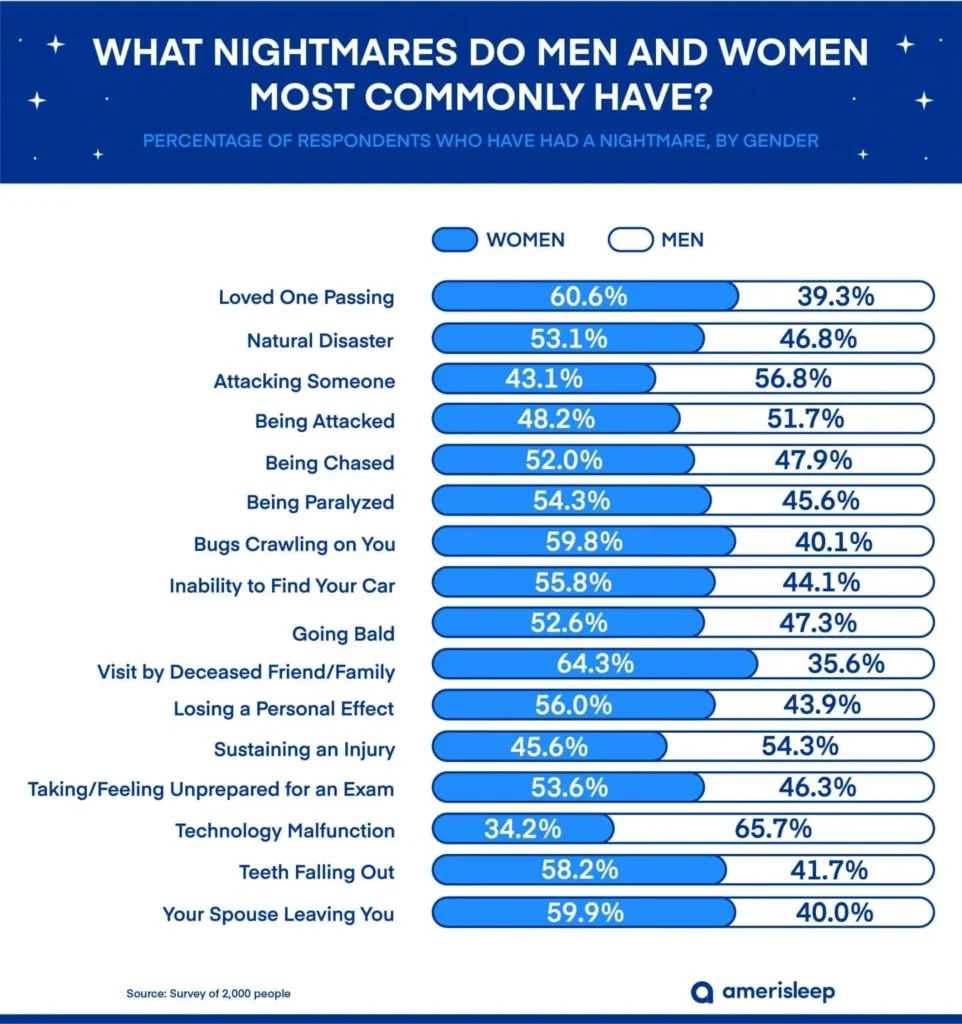
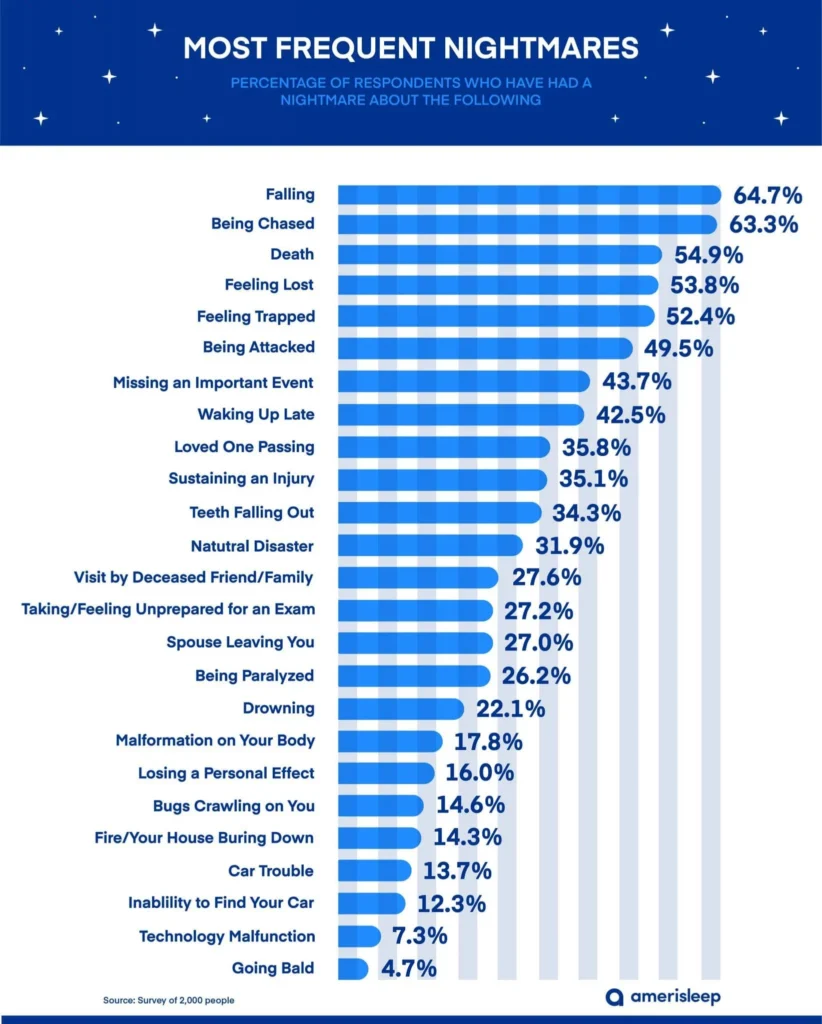
07. What is the most common recurring dream?
Recurring dreams come in countless forms, yet research and anecdotal reports consistently reveal certain themes that appear across cultures and generations. These dreams often reflect universal human concerns—stress, fear, or the need for control—and offer a fascinating window into the subconscious mind. Understanding these common dreams can help you decode your own patterns and gain insight into your inner world.
The most common recurring dreams include:
- Being chased or pursued:
- One of the most frequently reported recurring dreams involves being chased by an unknown figure, animal, or threat.
- Psychologically, these dreams often reflect avoidance of stress, fear, or unresolved conflict in waking life.
- Falling:
- Falling dreams are almost universal and often recur in times of uncertainty, loss of control, or fear of failure.
- Many interpret these dreams as reminders to regain balance and trust in yourself.
- Being unprepared or failing:
- Dreams of missing exams, forgetting responsibilities, or being unprepared for an important event frequently recur.
- They highlight anxieties about performance, expectations, or self-doubt, even if your waking life shows competence and success.
- Losing someone or something important:
- Recurring dreams about losing a loved one, personal belongings, or even parts of oneself are common place.
- They can indicate fear of loss, change, or emotional separation, inviting reflection on attachment and priorities.
- Being trapped or unable to move:
- Paralysis, being stuck, or unable to escape is another common theme.
- It often reflects feelings of helplessness, stress, or being stuck in a life situation, while also offering a chance to explore solutions and regain agency.
08. What dreams should you not ignore?
Not all dreams are created equal. While many fade from memory upon waking, some dreams carry messages that are too important to overlook. These dreams often point to unresolved emotions, personal insights, or life lessons that your subconscious—or even your higher self—wants you to pay attention to. Ignoring them can mean missing opportunities for growth, healing, or self-discovery.
Dreams you should take seriously include:
- Recurring dreams:
- When a dream repeats itself over days, months, or even years, it signals that your mind is highlighting unresolved patterns or emotional issues.
- These recurring scenarios deserve reflection, journaling, and possibly professional insight.
- Intensely emotional dreams:
- Dreams that leave you feeling fear, sadness, anger, or overwhelming joy often reflect deeply rooted emotions that your waking life might not fully address.
- They can act as guides for emotional processing and self-awareness.
- Vivid or unusually clear dreams:
- When every detail of a dream is vivid and memorable, it may indicate that your subconscious is trying to communicate an important message.
- These dreams can hold symbolic guidance or prompt reflection on current life situations.
- Nightmares or anxiety-driven dreams:
- While unpleasant, nightmares often highlight unresolved fears or stressors.
- They can be signals to address tension, anxiety, or trauma in a safe and supportive way.
- Dreams with a sense of urgency or insight:
- Some dreams leave a lasting impression, providing clarity, inspiration, or problem-solving insights.
- They may guide decisions, creativity, or personal growth if you pay attention to their meaning.
09. How can I stop my recurring dreams?
Recurring dreams can feel frustrating, unsettling, or even exhausting—especially when the same scenario repeats night after night. While these dreams are often signals from the subconscious, there are effective ways to reduce their frequency, transform their energy, and find peace in your sleep. Understanding the root causes and applying mindful strategies can help you regain control over your dream life.
Key Takeaway
Recurring dreams are not random—they are messages from your subconscious urging attention and integration. By understanding their meaning, addressing underlying emotions, and applying practical strategies, you can reduce their frequency, transform unsettling patterns, and enjoy peaceful, restorative sleep.
Strategies to manage and stop recurring dreams:
- Reflect on patterns and triggers:
- Start a dream journal to track recurring themes, emotions, and situations.
- Many dreams repeat because of unresolved stress, emotional tension, or repetitive thought patterns. Identifying triggers is the first step toward resolution.
- Address unresolved emotions:
- Recurring dreams often point to feelings or experiences that haven’t been fully processed.
- Techniques such as journaling, meditation, therapy, or energy work like Reiki can help release emotional blockages and reduce dream repetition.
- Practice lucid dreaming techniques:
- Lucid dreaming allows you to gain awareness and control within the dream.
- By recognizing that you are dreaming, you can alter the outcome of recurring dreams or consciously confront fears and anxieties.
- Create a calming bedtime routine:
- Reducing stress before sleep can minimize the intensity of recurring dreams.
- Consider gentle stretches, relaxing music, deep breathing, or guided meditations to signal your brain that it is time for rest, not rehearsal of stress.
- Visualize positive outcomes:
- Before sleep, imagine a peaceful resolution to the recurring scenario.
- Rehearsing new endings or positive outcomes can help your subconscious rewrite repetitive patterns in your dreams.
- Seek professional guidance if needed:
- If recurring dreams are linked to trauma, anxiety, or chronic stress, it’s helpful to better understand their unconscious patterns.
- Consulting a therapist, counselor, or energy practitioner can provide deeper tools for understanding and transforming these dreams.
🚨 Important Note
All content published on this blog and across the website — including, but not limited to, texts, tables, graphics, and other materials — is original and the property of the author, except where expressly indicated otherwise, and is fully protected under applicable copyright law. Any reproduction, copying, distribution, or other use, in whole or in part, without the prior written permission of the author, is strictly prohibited and may result in legal action.
The content provided on this blog is for educational and informational purposes only and does not constitute, is not intended to constitute, and should not be interpreted as clinical diagnosis, prevention, treatment, cure, advice, guidance, or psychological, medical, or therapeutic care. Use of the information is at your own risk. For emotional, psychological, or health-related concerns, seek professional therapeutic or clinical support.





![7 Senses [YOU] + Dreams<span style="color:#0078D7; vertical-align: super; font-size: 0.7em;">4-in-1</span> 🔥](https://www.viviancoach.com/wp-content/uploads/2026/01/7-Sense-Regulation-Dream-Analysis-300x300.webp)


 Select options This product has multiple variants. The options may be chosen on the product page
 Select options This product has multiple variants. The options may be chosen on the product page


 Viviane F.